
Light delivery
The correct wavelength and sufficient irradiance must reach as much of the infant’s exposed skin as possible.
Portable neonatal phototherapy
A patented neonatal phototherapy system designed to address two key treatment challenges: effective skin exposure and thermal management.
Neonatal jaundice occurs when bilirubin levels in a newborn’s blood become elevated. Phototherapy uses therapeutic blue light to help convert bilirubin into forms the body can eliminate.
The correct wavelength and sufficient irradiance must reach as much of the infant’s exposed skin as possible.
Infants receiving phototherapy may require additional warming support to maintain an appropriate thermal environment.
Conventional flat light sources primarily deliver light in one direction, potentially limiting skin-surface coverage.
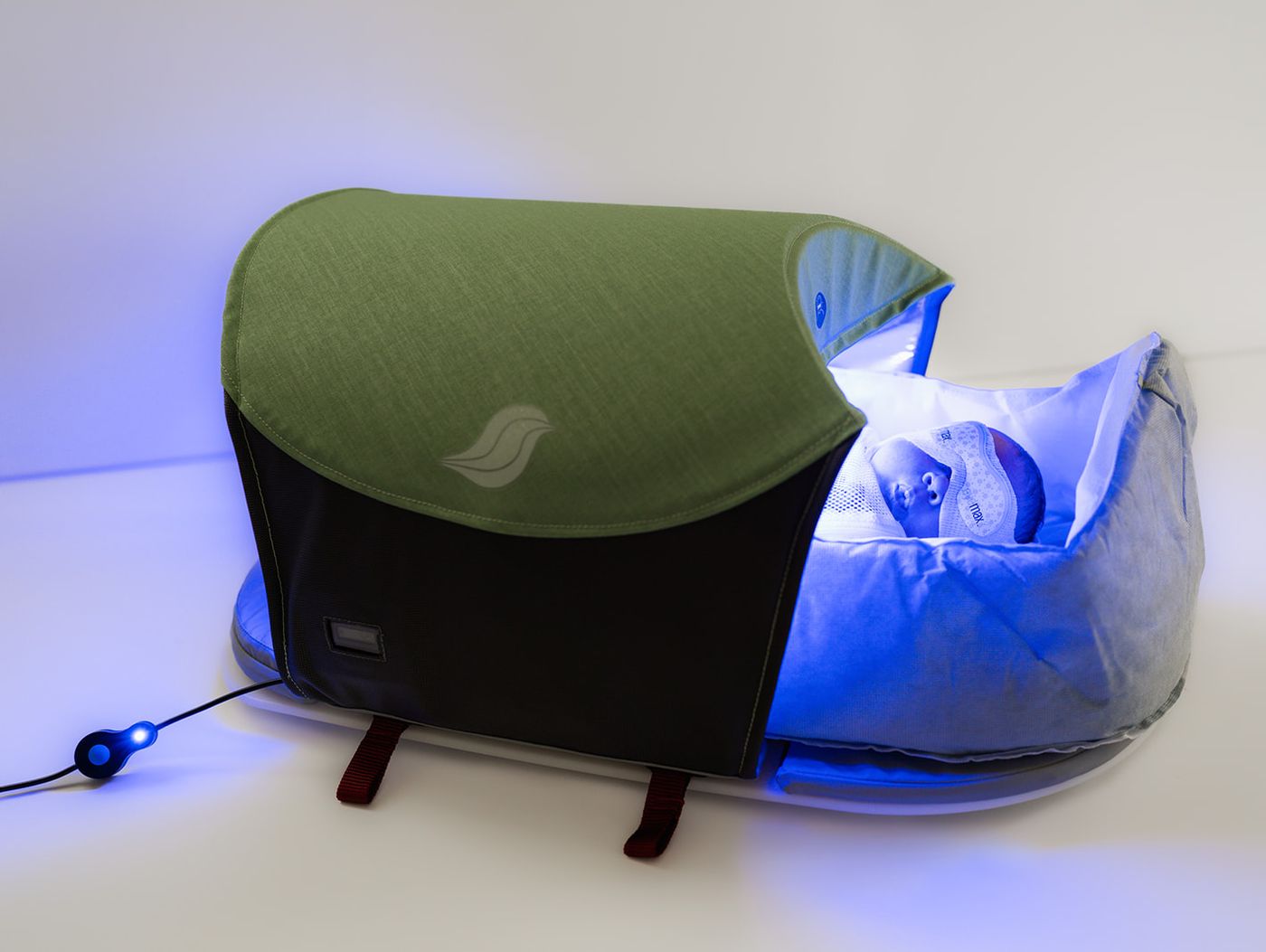
bili-hut™ combines a curved canopy with a multidirectional LED array to deliver therapeutic light across a greater proportion of the infant’s skin. Its semi-enclosed design and reflective interior also help reduce environmental heat loss and create a stable, warm treatment microenvironment during operation.
The semi-enclosed structure and reflective interior help retain environmental warmth without an active heater.
Surrounds the infant with a multidirectional LED array, allowing light to reach the skin from multiple angles.
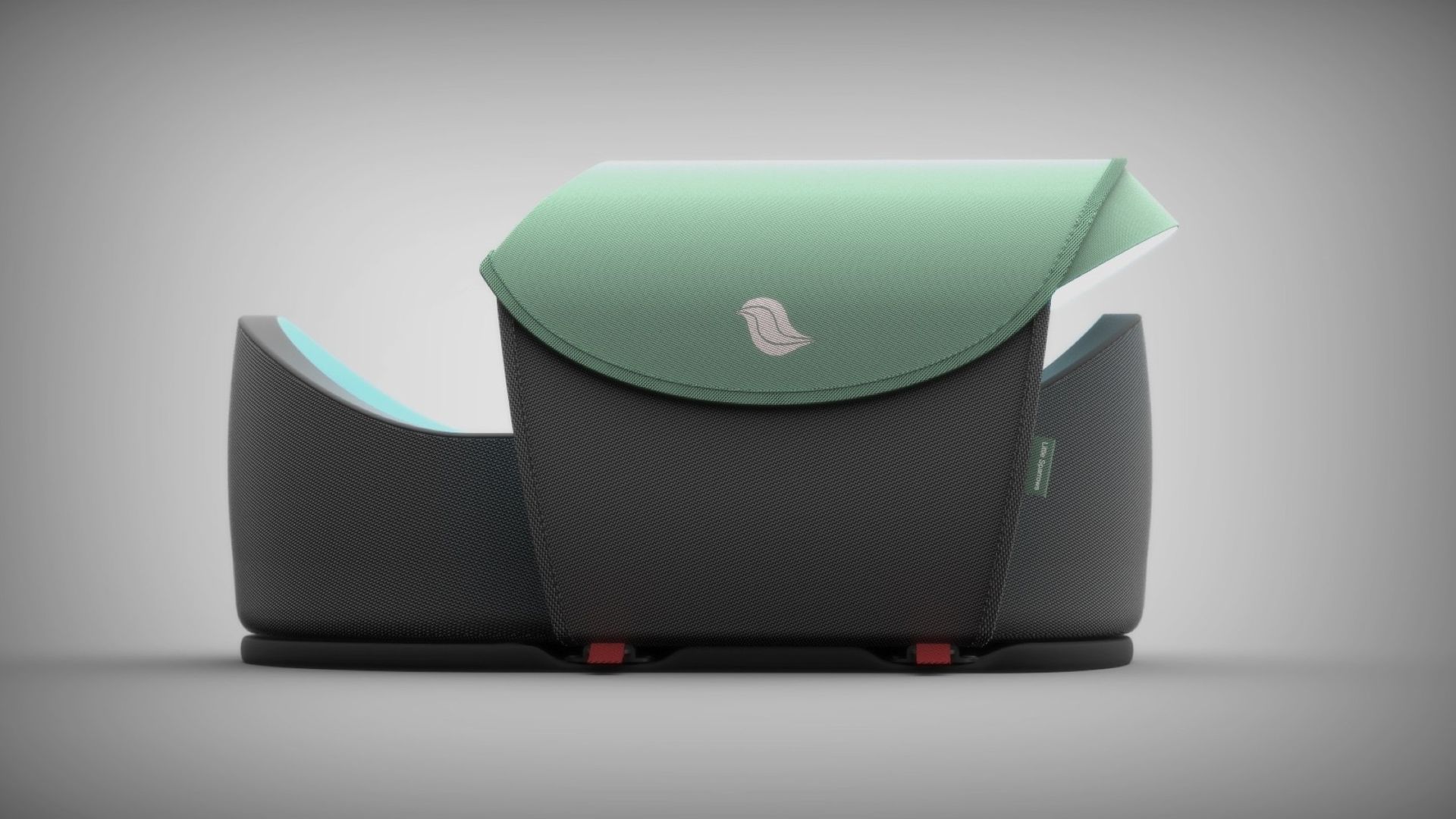
If the internal shell surface exceeds 43 °C (109.4 °F), the treatment LEDs automatically switch off and warning lights illuminate.
The curved configuration directs light more nearly perpendicular to the skin, supporting more effective delivery across the body surface.
NIH-supported foundational research with an artificial-skin mannequin predicted a 20% higher photoconversion rate with the curved configuration than the same LED array in a flat configuration, at matched center-chest irradiance.
A 2026 randomized home-phototherapy trial reported a decline of 0.40 mg/dL/h with bili-hut™ vs. 0.14 mg/dL/h with Medela BiliBed.
The same trial reported mean treatment times of 15.1 hours with bili-hut™ and 25.1 hours with Medela BiliBed.
The findings above come from different studies and should be interpreted according to their respective study designs.
In bench testing, the center temperature inside bili-hut™ reached a plateau of 83.1 ± 0.9 °F (28.4 ± 0.5 °C), compared with a room temperature of 73.3 ± 1.0 °F (23.0 ± 0.5 °C), after approximately 25 minutes — with a warming effect extending across the nest.
Bench testing of the device environment. Infant core and skin temperatures were not measured in this test.
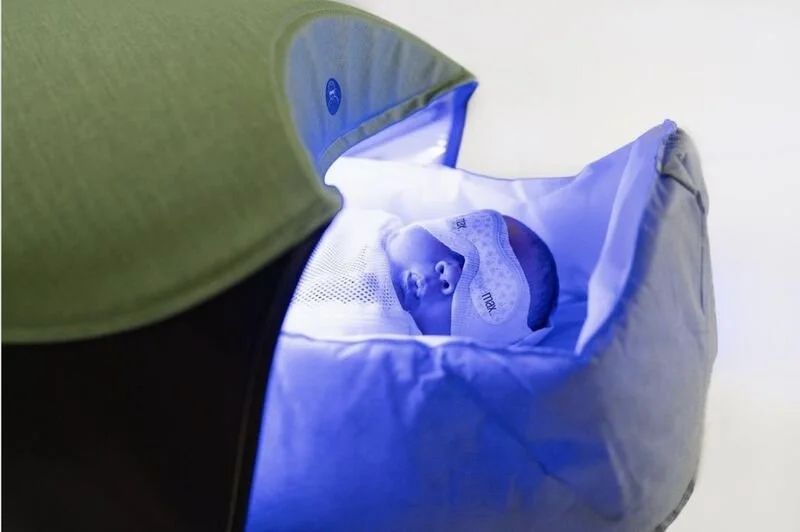

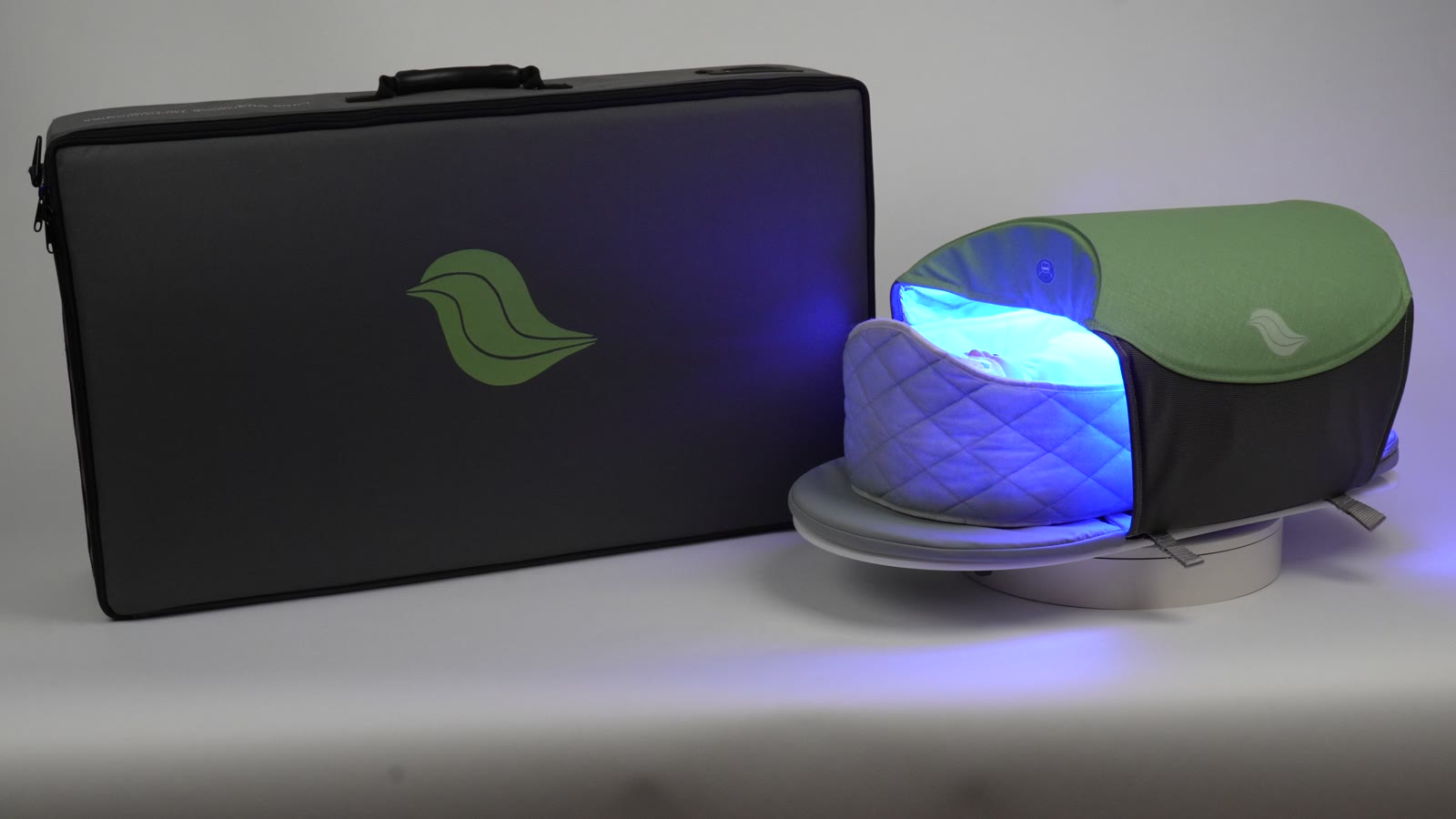
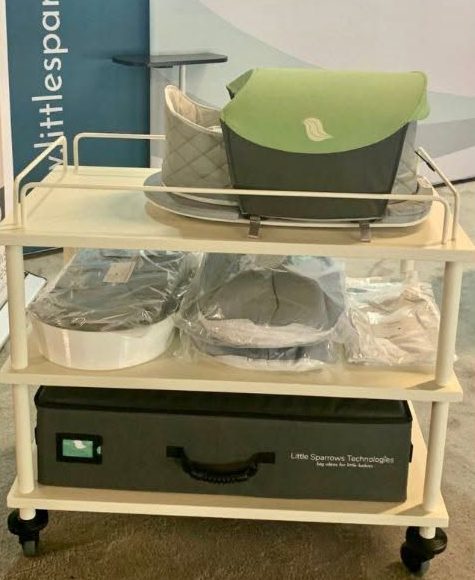
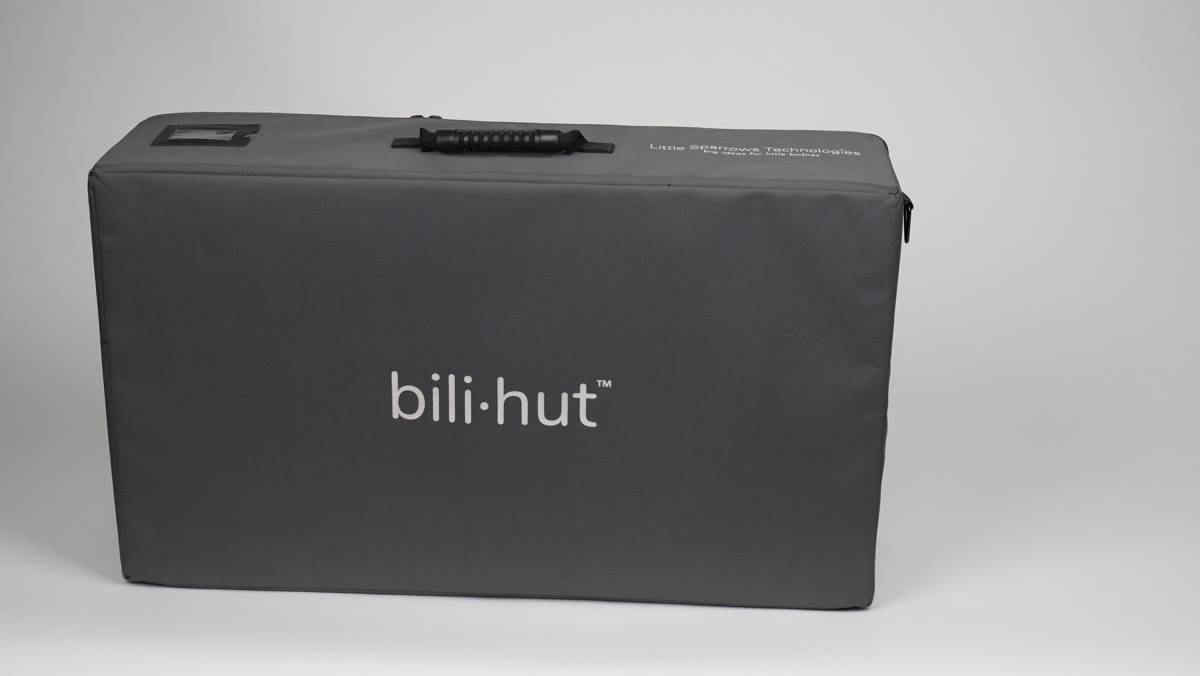
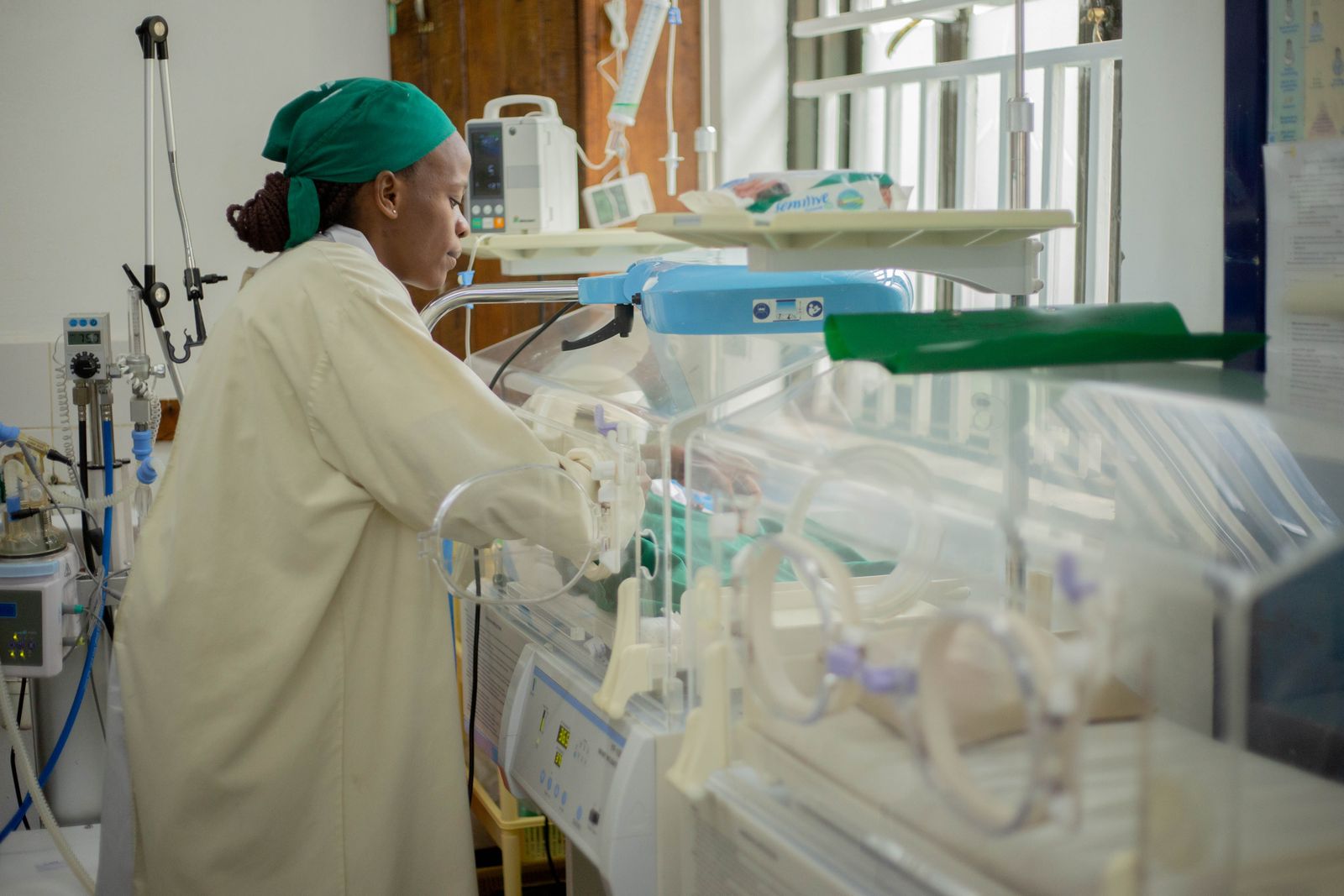
An alternative phototherapy platform for hospital purchasing and clinical implementation — at the bedside, without separating babies from their parents.
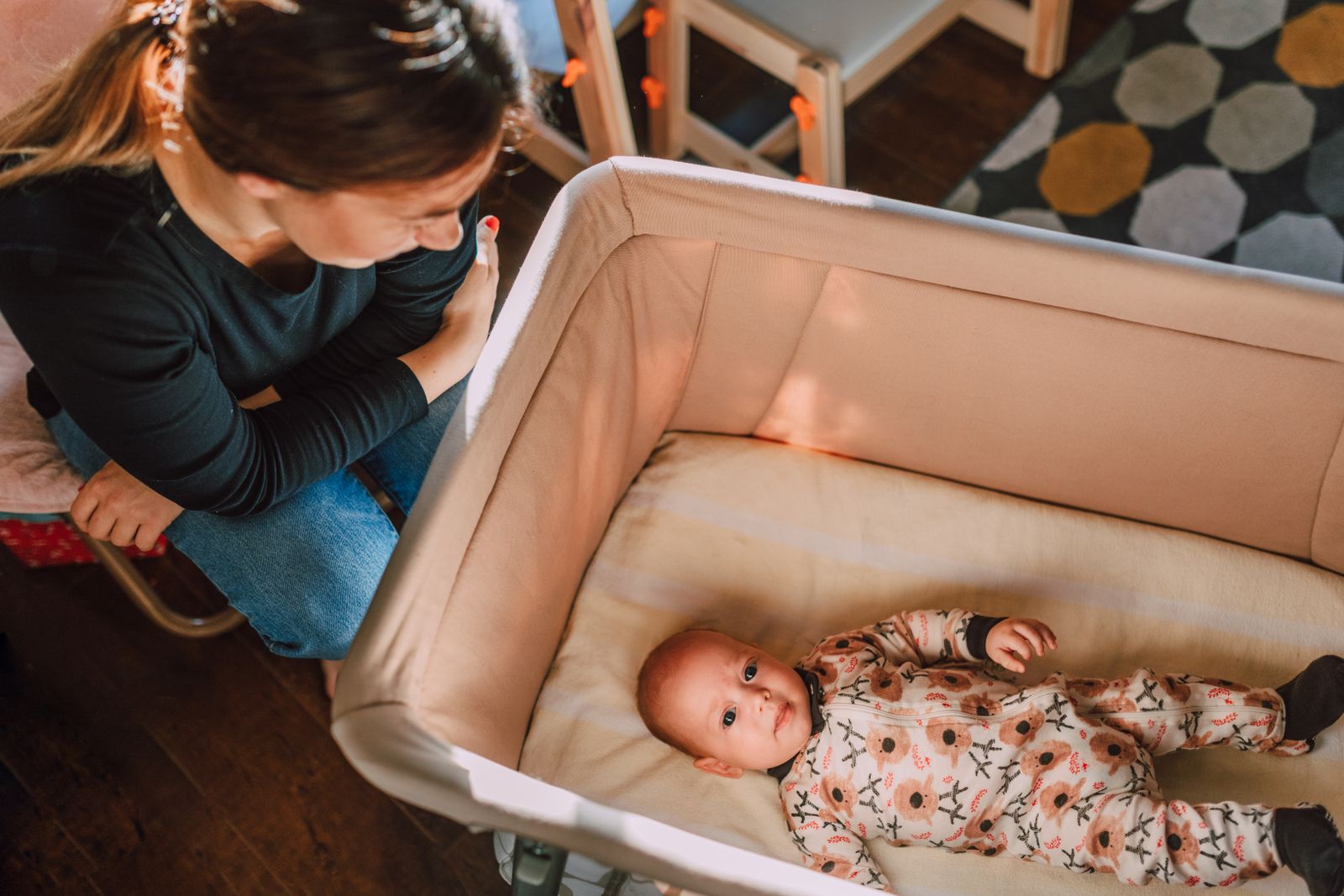
Portability supports home-based and outpatient treatment workflows with home-care and DME partners.
Full specifications, indications for use and ordering information are included in the sell sheet.
A complete product walkthrough with our clinical specialists: setup, treatment workflow and best practices.
See bili-hut™ in action with our clinical specialists: setup, treatment workflow and best practices. Register once and watch on demand.
Register for the webinarInvite-only training for hospitals, home-care providers and distributors: product setup, treatment workflow and certification.
Any other questions — distribution, trade shows, investors or press? Contact us.
Questions about our products, distribution, trade shows, investment or press? Send us a message and the right person on our team will get back to you.
70 Tower Office Park, Woburn, MA 01801, United States
(781) 725-2460 · info@littlesparrowstech.com